
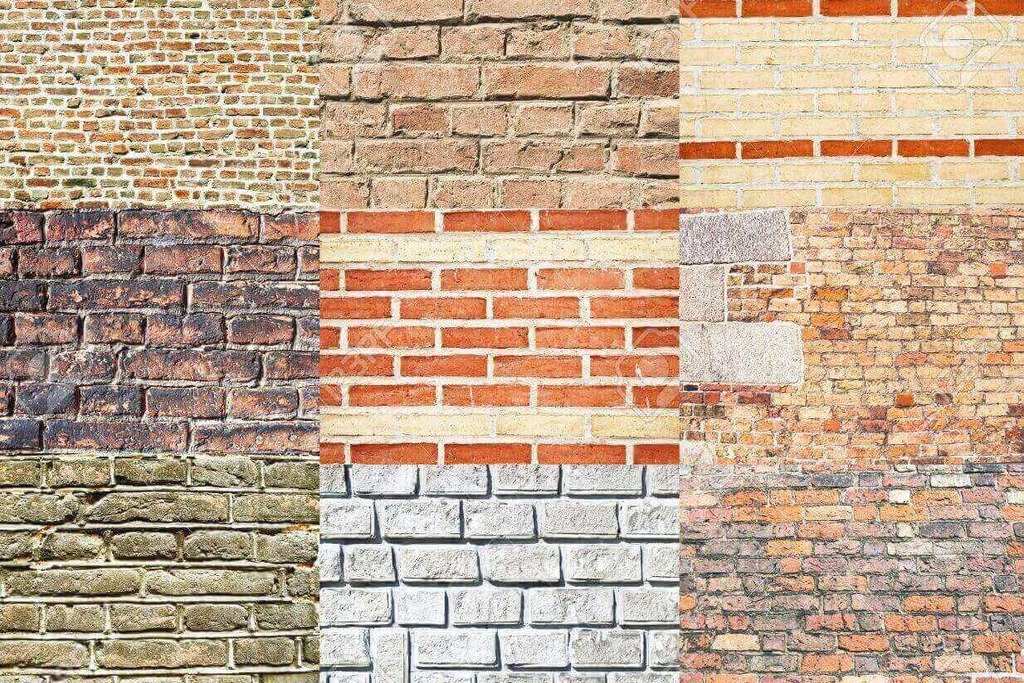
Catching brick damage early is the difference between a $500 repair and a $10,000 structural restoration. Here are the 7 critical warning signs your brick needs professional repair.
Warning Sign 1: Cracks in Brick or Mortar Joints
Hairline cracks allow moisture that freezes and widens the crack. Stair-step cracks indicate foundation settling. Horizontal cracks near wall bases signal dangerous structural pressure requiring urgent professional attention.
Warning Sign 2: Crumbling Mortar (Tuckpointing Needed)
Mortar lasts 25-30 years. Tuckpointing removes deteriorated mortar and fills with fresh mortar, dramatically extending the life of brick structures.
Warning Sign 3: White Staining (Efflorescence)
Chalky white powder on brick is caused by moisture carrying salts to the surface. If it reappears after cleaning, there is a persistent moisture source needing professional attention.
Warning Sign 4: Spalling Brick
Spalling occurs when brick faces flake or pop off due to freezing moisture inside. Spalled bricks must be replaced, not patched, to restore structural integrity.
Warning Sign 5: Bowing or Leaning Walls
A wall that has begun to bow has lost structural alignment. A bowing wall will not correct itself and can eventually collapse. Call a professional immediately.
Warning Sign 6: Chimney Damage
Chimneys are fully exposed to Colorado hail, snow, and temperature extremes. Watch for cracked chimney crowns, damaged flashing, and deteriorated mortar joints.
Warning Sign 7: Water Infiltration Inside Your Home
Water stains on interior walls or moisture around windows may indicate failing brickwork. Have a masonry professional inspect your exterior brick and mortar.
Brick Repair Costs in Colorado Springs
- Tuckpointing: $500-$2,500
- Brick replacement: $300-$1,500
- Chimney repair: $500-$3,000+
- Structural repair: $2,000-$10,000+
Why brick damage gets worse in Colorado Springs
Water is what turns small brick problems into big ones. When water gets into cracks or soft mortar and freezes, it expands and pushes the masonry apart. With many freeze-thaw cycles every winter, a hairline crack in fall can become loose brick by spring. Strong sun and dry air also wear down mortar over time.
What a brick repair usually involves
- Repointing (tuckpointing): grinding out worn mortar and replacing it with mortar that matches the old one in strength and color. Mortar that is too hard can damage older brick.
- Brick replacement: cutting out cracked or spalled bricks and setting matching ones.
- Crack repair: finding and fixing the cause first, such as settlement or drainage, then repairing the masonry.
- Water management: fixing gutters, flashing, caps and grading so water stays out.
What you can do now
Keep gutters clean, point downspouts away from walls, keep sprinklers off the brick, and look at your walls and chimney each spring and fall. Take photos of any cracks so you can see whether they are growing.
When to call a professional
Call a mason right away if a wall is bowing or leaning, bricks are loose or falling, a crack is wider than about 1/4 inch or growing, or your chimney is damaged. These can be safety issues.
Frequently asked questions
Is it safe to use a fireplace with damaged chimney brick?
Have it inspected before using it. Damaged masonry can let heat or gases reach parts of the house they should not.
Can I repoint brick myself?
Small areas, maybe, but matching mortar and joint style is harder than it looks, and the wrong mortar can damage brick.
Read more in brick wall repair methods and common masonry repair issues, or book an inspection with our brick repair team.
Conclusion
Brick Block and Stone has been Colorado Springs trusted brick repair specialist for over 40 years.
Schedule a Free Brick Inspection in Colorado Springs
Need help with brickwork in Colorado Springs?
Brick Block & Stone builds and repairs it every week. See our brickwork services or request a free estimate.
