In this article 10 sections
- 1Factors Affecting Brick Repair Cost in Colorado Springs
- 2Understanding Local Soil and Brick Damage
- 3Tuckpointing and Mortar Restoration
- 4When Does Brick Repair Cost in Colorado Springs Become Structural?
- 5Moisture Management and Spalling Prevention
- 6Navigating Permits and HOA Regulations
- 7The Role of Wind and UV Exposure
- 8Why Professional Experience Matters
- 9Frequently Asked Questions
- 10Talk to a Colorado Springs Mason
Quick answerDetermining the brick repair cost in Colorado Springs depends on the extent of masonry damage, the age of the structure, and the specific repair methods required. Whether you are dealing with minor mortar cracks or significant structural shifting, getting an accurate assessment is the first step toward restoring your home’s integrity and long-term value.
Factors Affecting Brick Repair Cost in Colorado Springs
When estimating the total investment for a masonry project, several variables come into play. Every home in the Front Range has unique needs based on its construction date and local environment. Professionals evaluate these specific factors to provide a detailed estimate for quality brickwork and restoration.
Total square footage of the damaged area
Height and accessibility of the wall
Severity of the masonry cracks
Type and age of the existing brick
Complexity of the mortar color and texture matching
Presence of structural foundation issues
Permit requirements from the Pikes Peak Regional Building Department
Homeowners Association (HOA) architectural requirements
Need for specialized equipment or scaffolding
Understanding Local Soil and Brick Damage
The geology of the Pikes Peak region plays a significant role in why bricks fail. Many neighborhoods in Colorado Springs are built on expansive clay soils, such as the Pierre Shale formations. These soils expand when wet and shrink when dry, creating immense pressure on foundation footings and exterior masonry walls.
This movement often manifests as stair-step cracks that follow the mortar joints. If you notice these patterns, it is a sign that the soil is shifting beneath your home. Addressing these issues early can prevent the need for more expensive structural interventions later. Homeowners often find that these soil-related issues are the primary drivers of their repair needs.
The Impact of Freeze-Thaw Cycles
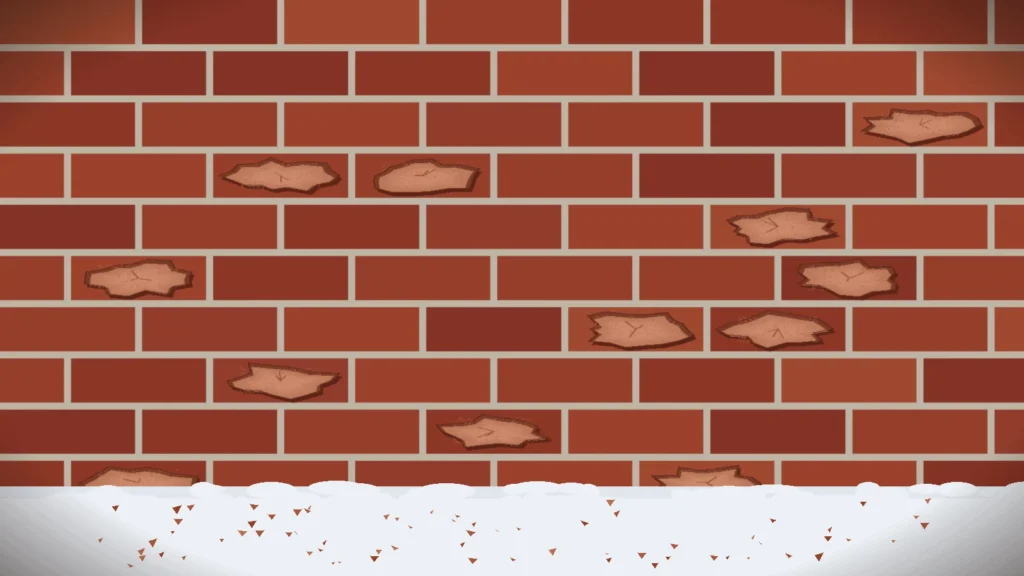
Colorado Springs experiences rapid temperature fluctuations. It is common for the thermometer to swing forty degrees in a single day. When moisture gets trapped inside porous bricks or behind the mortar, it freezes and expands. This mechanical pressure causes the face of the brick to pop off, a condition known as spalling.
Frequent freeze-thaw cycles mean that exterior masonry requires regular inspection. If water is allowed to penetrate the wall system, the internal structure of the brick degrades. Over time, this leads to crumbling surfaces that lose their structural capacity and aesthetic appeal. Managing moisture is the most effective way to keep your long-term maintenance costs low.
Tuckpointing and Mortar Restoration
Tuckpointing, or repointing, is the process of removing old, weathered mortar and replacing it with fresh material. This is one of the most common maintenance tasks for Colorado Springs homeowners. It is far more cost-effective to repoint a wall than to wait until the bricks themselves begin to fail and require full replacement.
According to technical standards from the Brick Industry Association, mortar must be removed to a uniform depth. This depth should be at least twice the width of the joint or until sound mortar is reached. This ensures the new material creates a strong mechanical bond with the existing bricks, preventing the new mortar from simply falling out after one winter.
Matching Mortar Composition
A common mistake in local repairs is using modern, high-strength Portland cement on older homes. Many historic residences in areas like Old Colorado City or near downtown were built with softer, lime-based mortars. If a contractor uses a mortar that is harder than the brick itself, the brick will eventually crack or spall because it cannot expand and contract naturally.
Professional masons take the time to match the compressive strength and aggregate texture of the original mortar. This technical precision ensures the repair lasts for decades rather than a few seasons. Using the wrong materials often leads to accelerated masonry failure, which significantly increases the total cost of ownership for the homeowner.
When Does Brick Repair Cost in Colorado Springs Become Structural?
It is important to distinguish between cosmetic settling and structural failure. Small hairline cracks in the mortar are often the result of natural settling. However, wide cracks that pass through the actual bricks or gaps that allow daylight through the wall indicate a more serious problem. You can learn more about these indicators by reviewing signs your brick needs professional repair.
Structural repairs in the Front Range often require a permit from the Pikes Peak Regional Building Department (PPRBD). This is especially true for retaining wall repair in Colorado Springs where walls exceed certain height thresholds. A structural engineer may need to be involved to ensure the wall is properly tied back or reinforced with steel and concrete footings.
Replacing Individual Bricks
If only a few bricks are damaged by impact or localized moisture, a mason can perform a single-unit replacement. This involves carefully cutting out the damaged brick without disturbing the surrounding masonry. Finding a matching brick is often the most difficult part of this process, as many older brick styles are no longer in production. Experienced contractors often source reclaimed bricks to ensure a seamless visual match.
Moisture Management and Spalling Prevention
Water is the enemy of masonry. In addition to freeze-thaw damage, trapped moisture can cause efflorescence, which is the white, powdery salt deposit often seen on red brick walls. To prevent this, repairs must include the maintenance of weep holes. These are small gaps left in the bottom row of bricks to allow moisture behind the veneer to escape.
Many homeowners ask about sealing their brick. In our high-altitude climate, using the wrong sealer can be disastrous. Film-forming paints or sealers trap moisture inside the brick, leading to rapid spalling brick damage. Instead, breathable siloxane-based water repellents should be used. These allow water vapor to escape while preventing liquid water from entering the surface.
Navigating Permits and HOA Regulations
Colorado Springs has many neighborhoods with strict architectural guidelines. Communities like Briargate, Flying Horse, and various historic districts require that any masonry repair perfectly matches the existing aesthetic. This includes the color of the brick, the profile of the mortar joint, and even the specific bond pattern used during construction.
Before starting a project, it is wise to check with your HOA board. Additionally, the PPRBD has specific codes regarding the height and thickness of masonry walls. Ensuring your repair is compliant with local building codes protects your property value and prevents legal issues during a future home sale. Professional contractors handle these administrative details as part of the repair process.
The Role of Wind and UV Exposure
The intense ultraviolet radiation at 6,000 feet above sea level affects more than just your skin. It also degrades the sealants and caulking used around windows, doors, and expansion joints in brick walls. When these sealants fail, wind-driven rain and snow can penetrate the building envelope. This moisture then leads to the internal rot of wood framing and the degradation of the mortar from the inside out.
Dry winds in the winter also pull moisture out of the mortar too quickly if repairs are not performed under the right conditions. Masons must often pre-wet the bricks or use plastic coverings to slow the curing process of new mortar. This attention to detail is what separates a temporary fix from a permanent restoration that can withstand the harsh Front Range climate.
Why Professional Experience Matters
With over 40 years of masonry experience, Brick Block & Stone understands the unique challenges of Pikes Peak masonry. From the expansive clays of the eastern plains to the historic lime mortars of the city center, we provide the technical expertise required for lasting results. We offer free written estimates to help you understand the specific needs of your home without any upfront cost.
Our team handles a wide range of services, including block walls, pavers, patios, fireplaces, and stone veneers. We also specialize in structural footings and retaining walls. If you are concerned about the state of your masonry, calling 719-723-1081 allows you to speak with a professional who can diagnose the issue and provide a clear path forward for your repair project.
Frequently Asked Questions
How can I tell if a brick crack is structural or cosmetic?
Cosmetic cracks are usually hairline thin and limited to mortar joints. Structural cracks are often wider than one-eighth of an inch, run through the bricks themselves, or form a stair-step pattern. If you notice bulging walls or doors that no longer close properly, the issue is likely structural.
Can you replace just one broken brick in a wall?
Yes, individual bricks can be replaced through a process called tooth-in repair. A mason carefully removes the damaged unit and the surrounding mortar, then slides in a matching brick. The challenge is often finding a brick that matches the color and texture of the original weathered masonry.
What causes the surface of my bricks to flake off?
This is called spalling. It is primarily caused by moisture entering the brick and freezing. In Colorado Springs, the frequent freeze-thaw cycles cause this water to expand, popping off the brick face. Using non-breathable sealers or paint can also trap moisture and accelerate this type of surface damage.
Is tuckpointing the same as replacing the brick wall?
No, tuckpointing is a maintenance procedure that replaces only the mortar joints. It is much less expensive than a full wall replacement. Tuckpointing is necessary when mortar is crumbling or receding, but the bricks themselves are still in good condition and structurally sound within the wall system.
Does homeowner's insurance cover the cost of brick repair?
Standard insurance policies usually cover sudden, accidental damage, such as a vehicle impact or a severe storm. However, repairs for damage caused by long-term settling, expansive soil movement, or lack of maintenance are typically not covered. You should review your specific policy and local endorsements for foundation coverage.
Talk to a Colorado Springs Mason
Brick Block & Stone brings 40+ years of masonry experience and offers free written estimates. Contact us or call 719-723-1081.

Brick Block & Stone is a masonry contractor in Colorado Springs with more than 40 years of experience in brick, block, stone, pavers and retaining walls. Questions about your own project? Call 719-723-1081 or send us a message.
